Chris Lee
Product designer and maker. Currently co-founding Pebble, an AI agent workspace. Previously led product for a medical AI device at Whiterabbit.ai, ran the cold station at Aragosta, and built CJL Ceramics.
Long Beach, CA
Currently
All Work
8 entries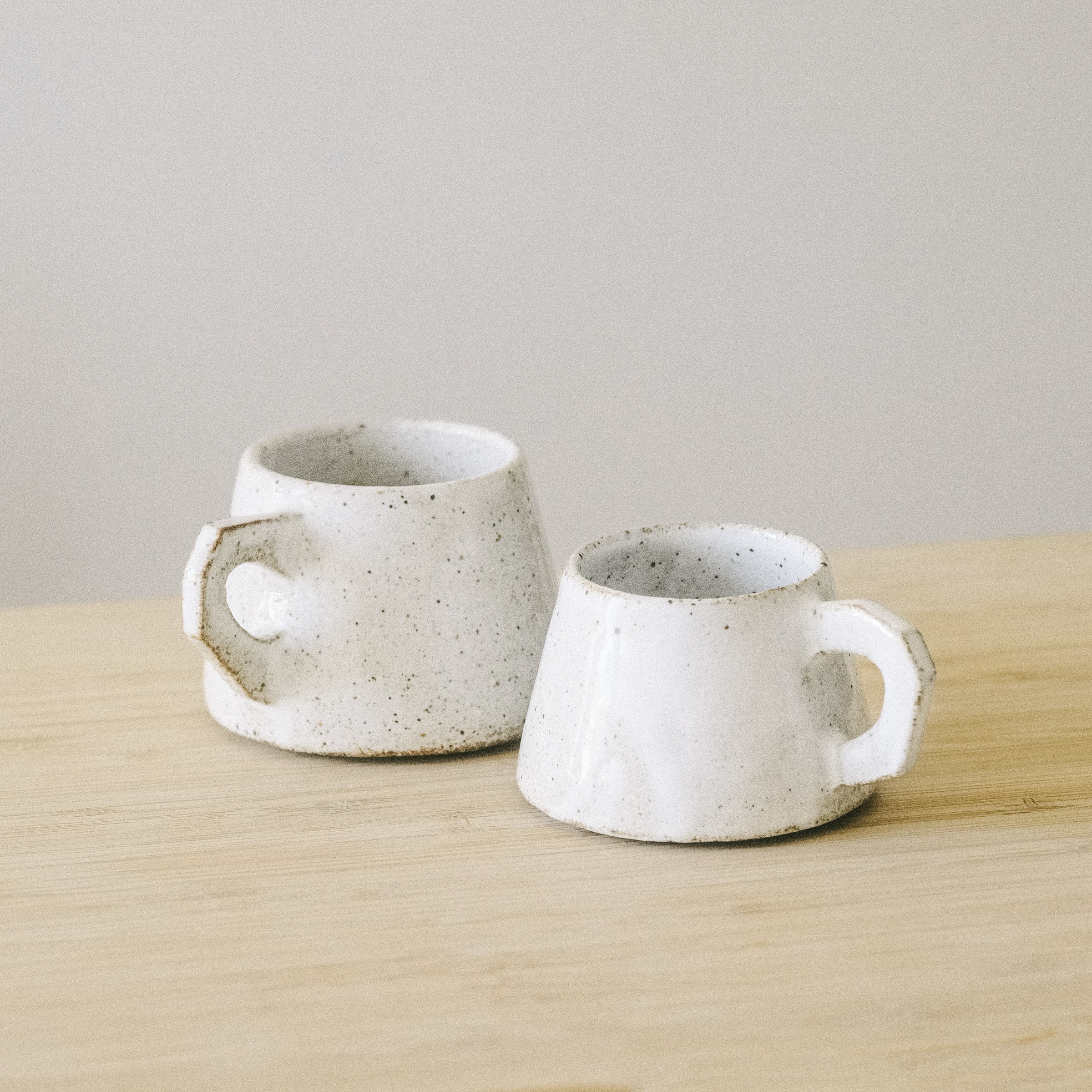 making2025
CJL Ceramics
A boutique ceramics studio I built and ran — from custom restaurant pieces to a small-batch production system.
ceramicsentrepreneurshipproductionI started CJL Ceramics in 2024 as a way to take my wheel-throwing practice from hobby to something real. I wanted to see if I could build a small production system and deliver work at a level that restaurants and cafés would trust. The early work was one-off commissions — espresso sets, bowls, mugs designed for specific people and specific uses. Each piece started on the wheel and was finished by hand. I developed a production workflow using hump molds and a foam press system that let me produce consistent forms while still keeping the handmade quality that made each piece distinct. The bigger orders came quickly. I delivered 15 espresso sets for Dear Charlie, a café that needed cups that matched their brand and felt right in hand. Then 72 plates for The Country Club — that was the project that tested whether my production system could actually scale. The catalog grew to include plates, bowls, mugs, vases, and forms that didn't fit neatly into any category. I worked with speckled stoneware, matte white glazes, black glossy finishes, and natural clay bodies depending on what the piece needed. I closed the studio in late 2024. The work was good and the orders were coming in, but I realized this wasn't the thing I wanted to do long-term. I'm glad I built it — it taught me more about production, client work, and knowing when something has run its course than most of my other projects combined.
 project2023
Aragosta at Goose Cove
Working as Chef de Partie at a James Beard Award semifinalist restaurant on the coast of Maine.
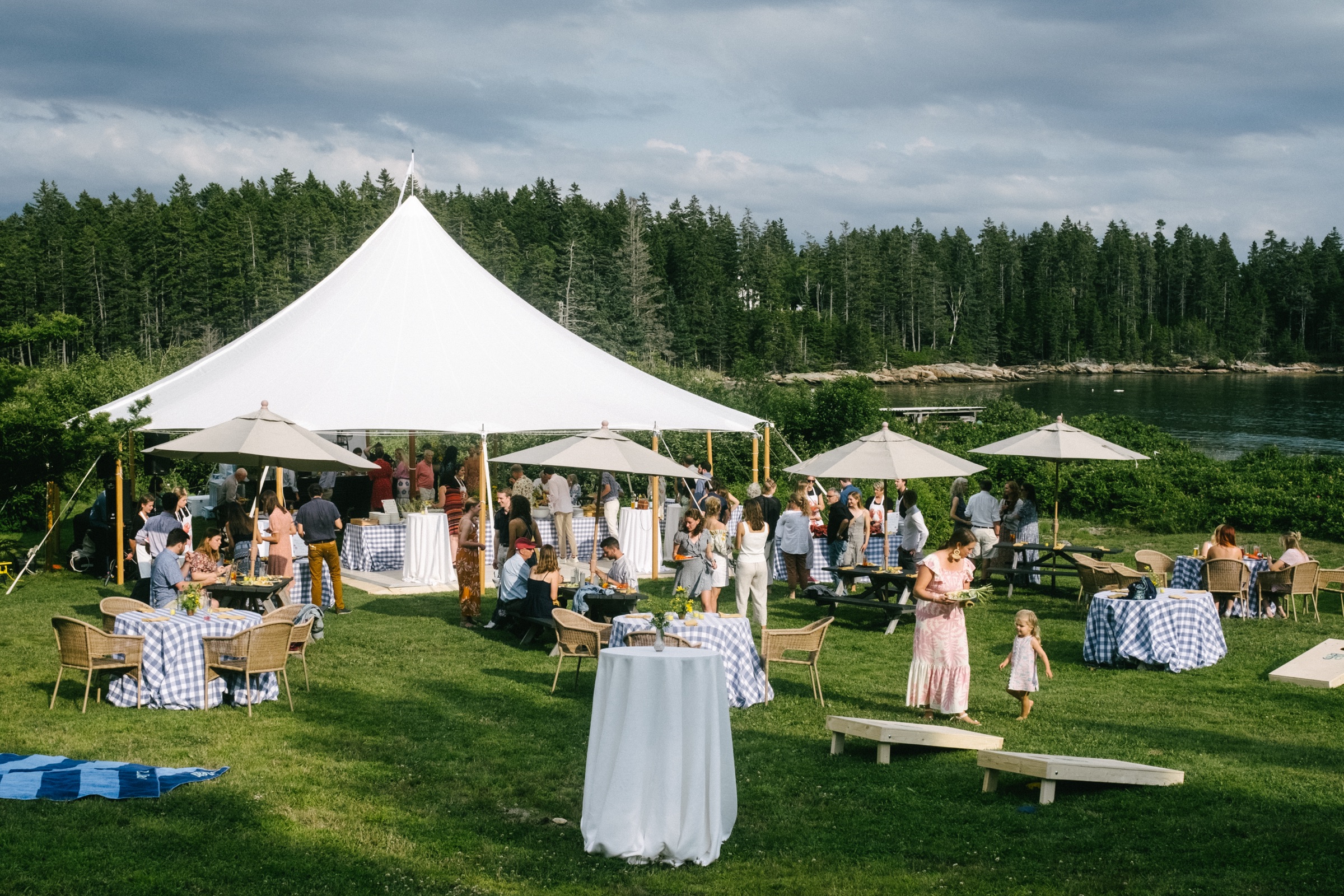
culinaryrestaurantphotographyIn the summer of 2021, I worked as Chef de Partie at Aragosta, a restaurant and set of cottages on Goose Cove in Deer Isle, Maine. Aragosta was a James Beard Award semifinalist — the kind of place where the food is deeply tied to where it comes from. I ran the cold station. Each week I was responsible for developing new dishes — an amuse, a protein course, a salad — as part of an 11-course tasting menu that changed constantly. The pace was intense. The creative constraint of working within a specific station while serving a multi-course format taught me how to think about design in a way that no product role has. The food was heavily inspired by Maine — what was available, what the ocean and the land offered that week. Working with ingredients that close to their source changed how I think about materials in any medium. There's a directness to cooking with something that came out of the water that morning. This experience shaped everything I've done since. The precision, the rapid iteration, the attention to how someone experiences something course by course — all of that carries into product work and into the dinner series I host now. It also gave me a deep respect for craft at the highest level, which is part of why I went on to build CJL Ceramics.
 making2023
Alec | Espresso
A client commission for handmade espresso cups and saucers — research, prototyping, and two design directions.
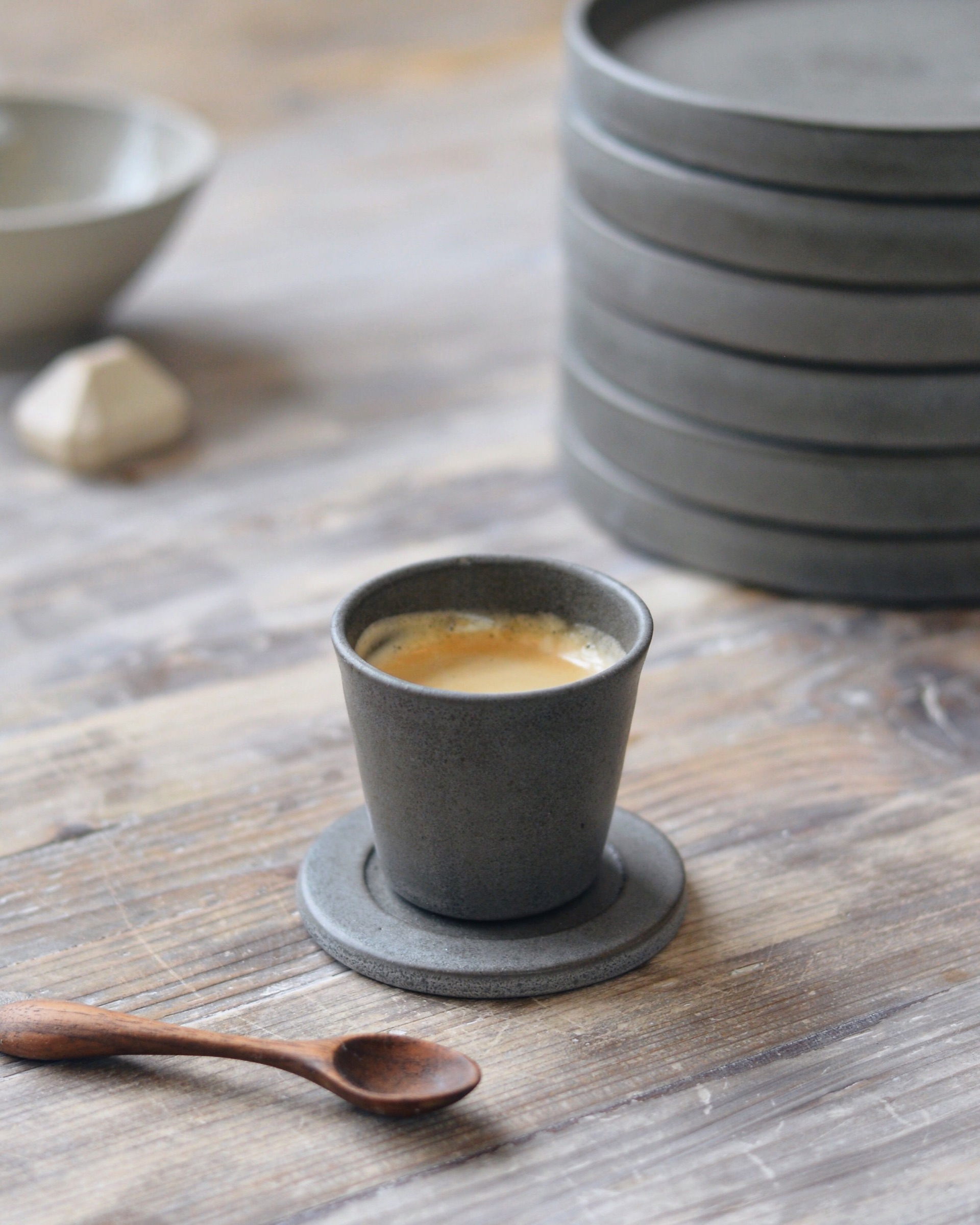
ceramicscommissionespressoclient-workThe Brief Design espresso cups and saucers for an upcoming space. The client wanted pieces inspired by traditional Italian style, glazed in "bone white," with the option to add a logo to each piece. Research I started by studying what "Italian style" actually means in espresso ware. Traditional Italian cups are rounded, modest in size, with a simple saucer. Modern espresso sets have moved toward angular designs with cleaner lines and sharper proportions. The client's request sat somewhere between these — classic enough to feel timeless, but considered enough to feel designed. Two Directions I developed two design directions: an angular set borrowing the sharper lines of modern espresso ware, and a rounded set closer to the traditional Italian form. Both were sized to hold 60–90 mL — enough for a doppio, which is the standard Italian serving. Logo Options The client wanted a logo on each piece. I explored two approaches: stamping directly into the wet clay before firing, or adding a clay "patch" to the surface with the logo pressed into it. Each method produces a different feel — the stamp is subtle and integrated, the patch is more visible and tactile. Pricing - Espresso Cup: $18 - Saucer: $9 - Logo (per piece): $1–$5, depending on complexity This was the commission that convinced me there was a real market for handmade restaurant ceramics. The process of going from a client brief through research, prototyping, and pricing — that's product design, just in clay instead of pixels.
 making2023
Brother Sister Bowls
A hotpot bowl set in black glossy glaze — designed for shared meals and inspired by Korean clay pots.
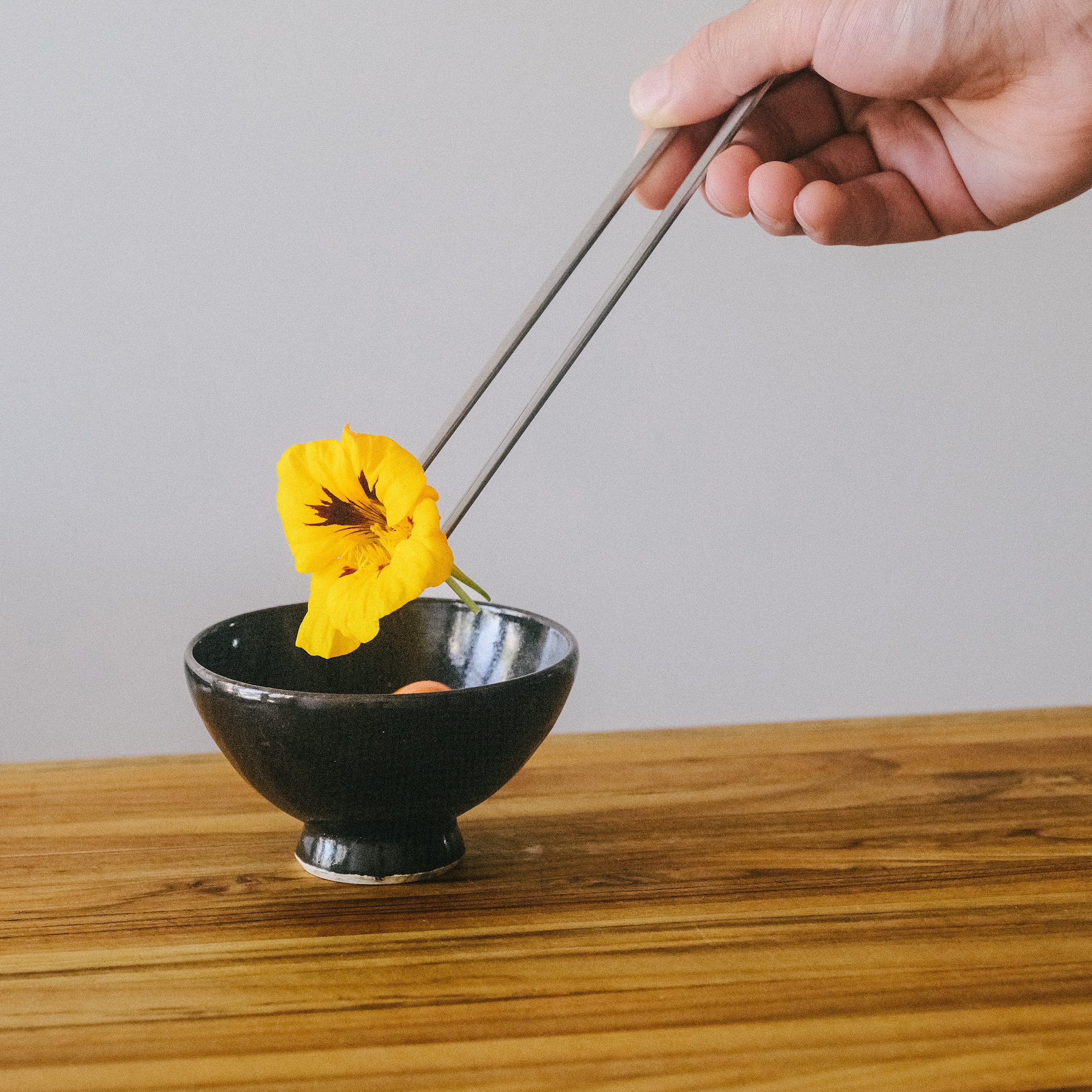
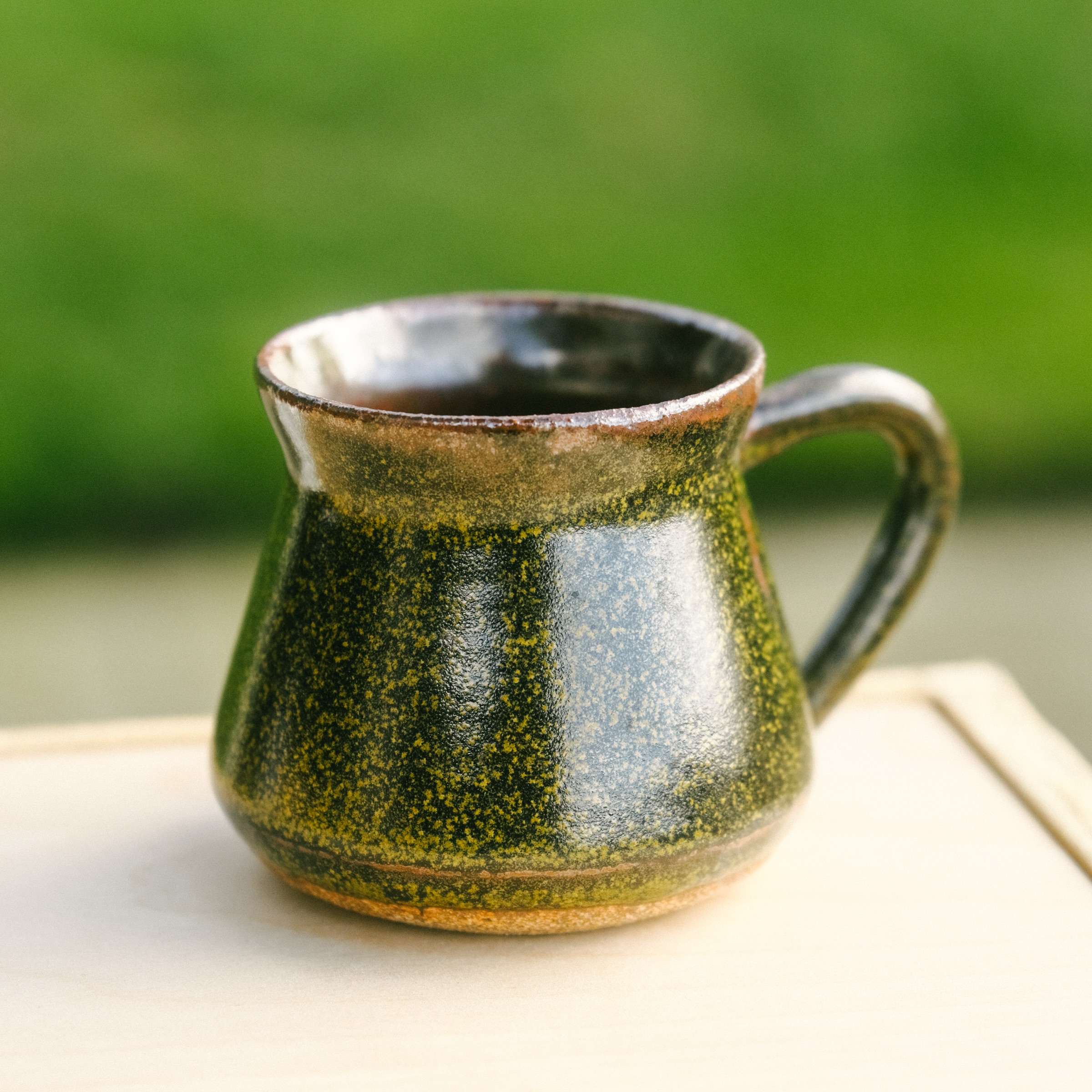
ceramicstablewarekoreanThis set was designed for hotpot — the kind of meal where everything is shared and the table is covered in small dishes and sauces. Each set includes a shorter sauce bowl and a larger bowl, the two vessels someone needs to sit down and eat. The black glossy glaze is a reference to the clay pots used in Korean cooking — the dark, heavy vessels that hold heat and develop character over time. Against a wooden table or paired with metal chopsticks, the glaze catches light in a way that makes the bowls feel substantial without being heavy. The name comes from the relationship between the two pieces. They're different sizes and serve different purposes, but they're clearly from the same family.
 making2023
His + Hers Mugs
A contrasting pair of mugs — one stout and angular, one dainty and rounded — made as a gift.
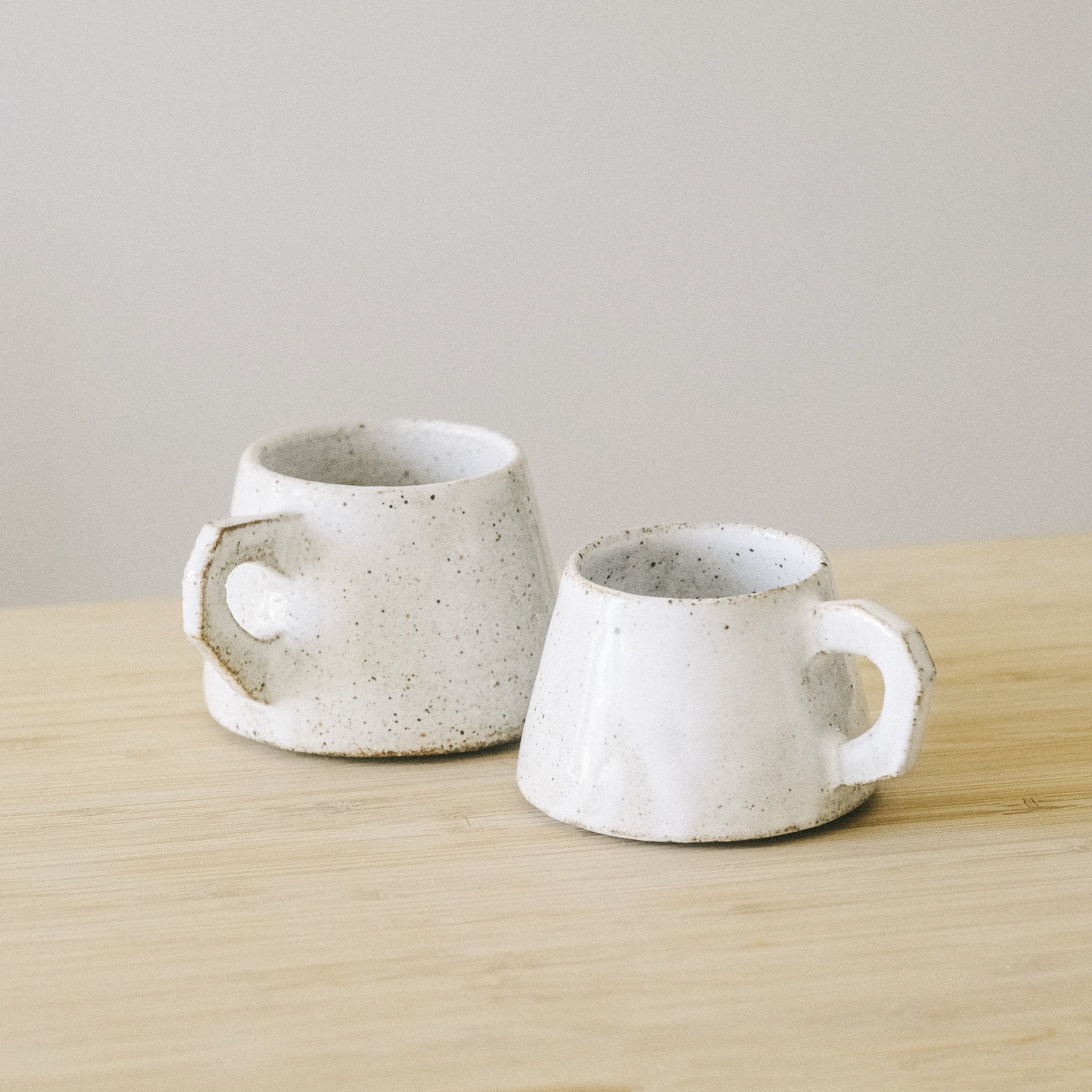
ceramicsgiftmugsI made these as a gift for good friends. The idea was a pair that belong together through contrast — one stout, dark, and angular; the other dainty, light, and rounded. Each mug highlights what the other isn't. They hold about 6 to 8 ounces, sized for coffee rather than tea. There's something about making a gift by hand that changes the object. You can't separate the thing from the time spent making it, and the person you were thinking about while you did.
 making2023
집 (Home) Café
A ceramic set designed for a Korean-inspired home café — mugs, dishes, and vases in speckled white glaze.
ceramicscommissionhome집 means "home" in Korean. This set was designed for a client who wanted to bring a café feeling into their kitchen — a collection of pieces that could make a morning coffee or an afternoon snack feel intentional. The brief called for variety: mugs for coffee and tea, dishes for serving small bites, and vase-like forms for setting the table. I designed two types of "ruffle" dishes with hand-shaped edges, two sizes of angular mugs, and three vase forms that could hold flowers or just stand on their own. The white speckled glaze was chosen to match the client's kitchen — mostly white with warm granite countertops. The speckle in the glaze picks up the natural variation in the stone. I mixed rounded and angular shapes throughout the set so the pieces feel like they belong together without being uniform. This was one of the commissions that made me realize I could build a real production practice around ceramics. The challenge of designing a cohesive set — where every piece has to work alone and with the others — is a different kind of design problem than a single object.
 project2019
Tic Tac GrABB @ Tyson
Teaching a robotic arm to play tic-tac-toe using computer vision and reinforcement learning.
roboticscomputer-visionmachine-learninginternshipDuring my summer internship at Tyson Foods (yes, the chicken company), I built a system that could teach a robotic arm to play tic-tac-toe. The real goal was demonstrating that the robot could interpret its environment through a camera and act on what it saw — a proof of concept for eventually automating food sorting on the factory floor. The Setup A ceiling-mounted camera watched the playing area. The system had to do four things in sequence: see the board, understand the game state, decide a move, and physically draw it. Computer Vision The camera feed was processed to detect and isolate a green tic-tac-toe grid. A classification model then determined whether each space was empty, X, or O. Reinforcement Learning Once the board state was read, a reinforcement learning model chose the next move. After about 500 training runs, the robot played at roughly a second-grade level — not grandmaster, but functional. Robot Control Camera coordinates were transformed into the robot's coordinate system, and the selected move was sent via socket using MoveIT. The arm followed a predefined path to draw either an X or an O with a Sharpie held in a 3D-printed end effector. What Actually Happened The robot could play full games against people. It worked, with caveats — socket timeouts, inconsistent image processing, and the occasional misread of the board. With more time, I would have added object tracking for accuracy and autonomous turn detection so the robot could play without a human telling it when to go. I was the primary contributor on the project, working closely with Jeremy Gerard at Tyson to develop the logic and prepare demos. It was my first experience building a system where software had to interact with the physical world in real time — a very different set of problems than pure code.
 project2019
Kickin' It
Designing instruction manuals that teach kids to build their own toys from recyclable materials.
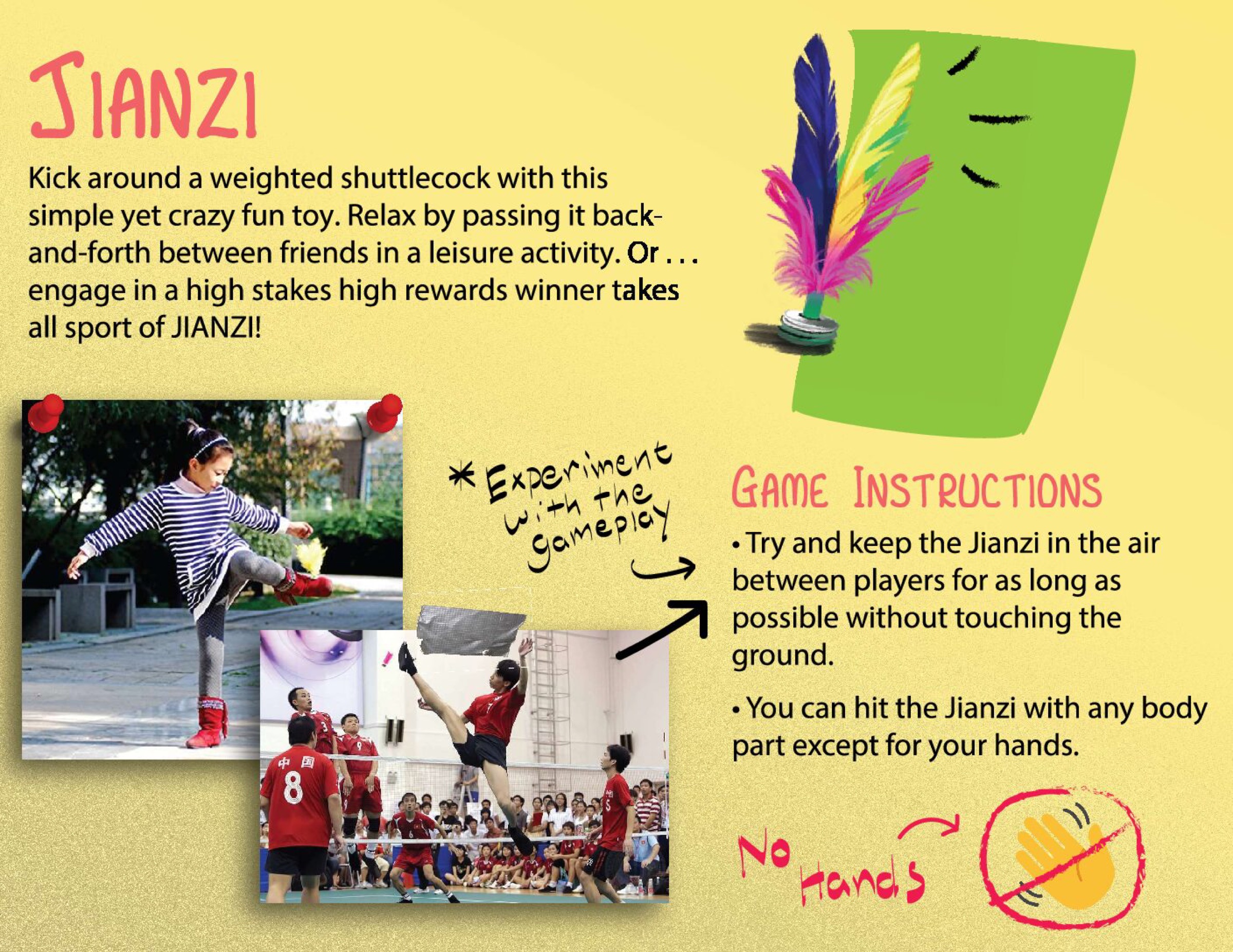
product-designuser-researcheducationprototypingThe Problem Expensive toys that kids lose interest in quickly, leaving a pile of discarded plastic. Our team of five students at Olin College wanted to see if we could make something better — a toy that kids build themselves from materials they already have. How We Worked I served as project manager. We ran two three-week sprints using an agile scrum framework, tracking everything on Trello. Each sprint had specific learning objectives that would inform our next decisions. Sprint 1: Understanding Kids and Toys We started by talking to parents, teachers, and kids to understand how children actually play. We tested three hypotheses and found something clear: kids gravitate toward toys with a core play mechanism (like the cascading effect in dominoes) and toys that leave room for imagination. That insight pointed us toward instruction manuals for building customizable toys. Sprint 2: Testing Two Approaches We designed instruction manuals for building a Jianzi — a traditional shuttlecock toy made from recyclable materials. Then we A/B tested two formats in schools: a free-form single-page guide versus a detailed six-page manual with step-by-step illustrations. The detailed guide won clearly. Students who used it were more engaged, understood the steps faster, and produced better results. The illustrations and the playful tone made the difference. What We Learned Six weeks of interviews, prototyping, and testing taught us that the format of an instruction matters as much as its content. If we'd continued, we would have explored how long the homemade toys last, expanded to other toy types, and added video tutorials. This was one of my first projects where user research directly shaped the design decisions. The process — hypothesis, test, learn, iterate — became the way I approach every project since.